

There’s a point in the year when growth is no longer becoming.
It’s bearing fruit.
The light is still strong.
The days are still long.
But something has ripened.
In the traditional Wheel of the Year, this moment is known as Lammas, or Lughnasadh (pronounced LOO-nah-sah). It falls around the 1st of August and marks the beginning of the harvest season.
But for me, Lughnasadh isn’t about folklore or feast days.
It’s about honesty.
It’s the moment in the cycle when you ask:
What has actually grown?
And what hasn’t?
Not with judgment.
With clarity.
What Is the Wheel of the Year?
The Wheel of the Year is a seasonal calendar marking eight turning points across the year, solstices, equinoxes, and the midpoints between them.
Historically, it carries pagan roots.
But the way I live it isn’t religious.
It’s rhythmic.
It’s the understanding that:
Energy builds.
Energy peaks.
Energy shifts.
And resisting that rhythm creates friction.
Lughnasadh is one of those shifts.
Not the peak of summer.
Not yet autumn.
But the beginning of harvest.
The first moment you see what your earlier choices have produced.
What Is Lughnasadh the Celebration Of?
Traditionally, Lughnasadh celebrates the first grain harvest.
Bread baked from the first cut wheat.
Gratitude for sustenance.
Acknowledgment of labour.
But beneath tradition, its deeper meaning is simple:
Effort becoming visible.
Seeds becoming results.
Intent becoming reality.
It’s not about more growth.
It’s about assessment.
What’s thriving?
What needs tending?
What needs releasing?
Lughnasadh asks you to look at what you’ve cultivated since winter and spring.
Not what you hoped for. What is.
What Is the Spiritual Meaning of Lughnasadh?
Spiritually, Lughnasadh represents responsibility and refinement.
It asks:
Are you living what you said you wanted?
Are you nourishing what actually nourishes you?
Are you willing to cut what no longer feeds you?
There’s Fire here, but it’s steadier now.
Less ignition.
More endurance.
There’s Earth here too.
Weight.
Substance.
Reality.
This is midsummer energy shifting.
Still bright.
But grounded.
This isn’t expansion like Beltane.
It’s discernment.
What Is Midsummer Turning Toward Harvest?
Midsummer is often associated with fullness and celebration.
But late summer carries a quieter undertone.
The days are still long.
The heat still lingers.
Yet something is subtly changing.
Light has peaked.
Now it begins to decline, even if we barely notice.
This is why Lughnasadh matters.
It reminds us:
Nature doesn’t hurry.
And yet everything is accomplished.
Because cycles include culmination.
Not just momentum.
How to Work With Lughnasadh Energy
You don’t need ritual.
You need reflection.
Lughnasadh energy supports:
Taking stock of what you’ve built
Celebrating what is working
Releasing what is draining
Recommitting to what feels aligned
This is not a season for dramatic reinvention.
It’s a season for refinement.
Tightening boundaries.
Clarifying direction.
Owning the results of your choices without shame or exaggeration.
Harvest isn’t about perfection.
It’s about truth.
Lughnasadh Through the Lens of Ebb & Flo
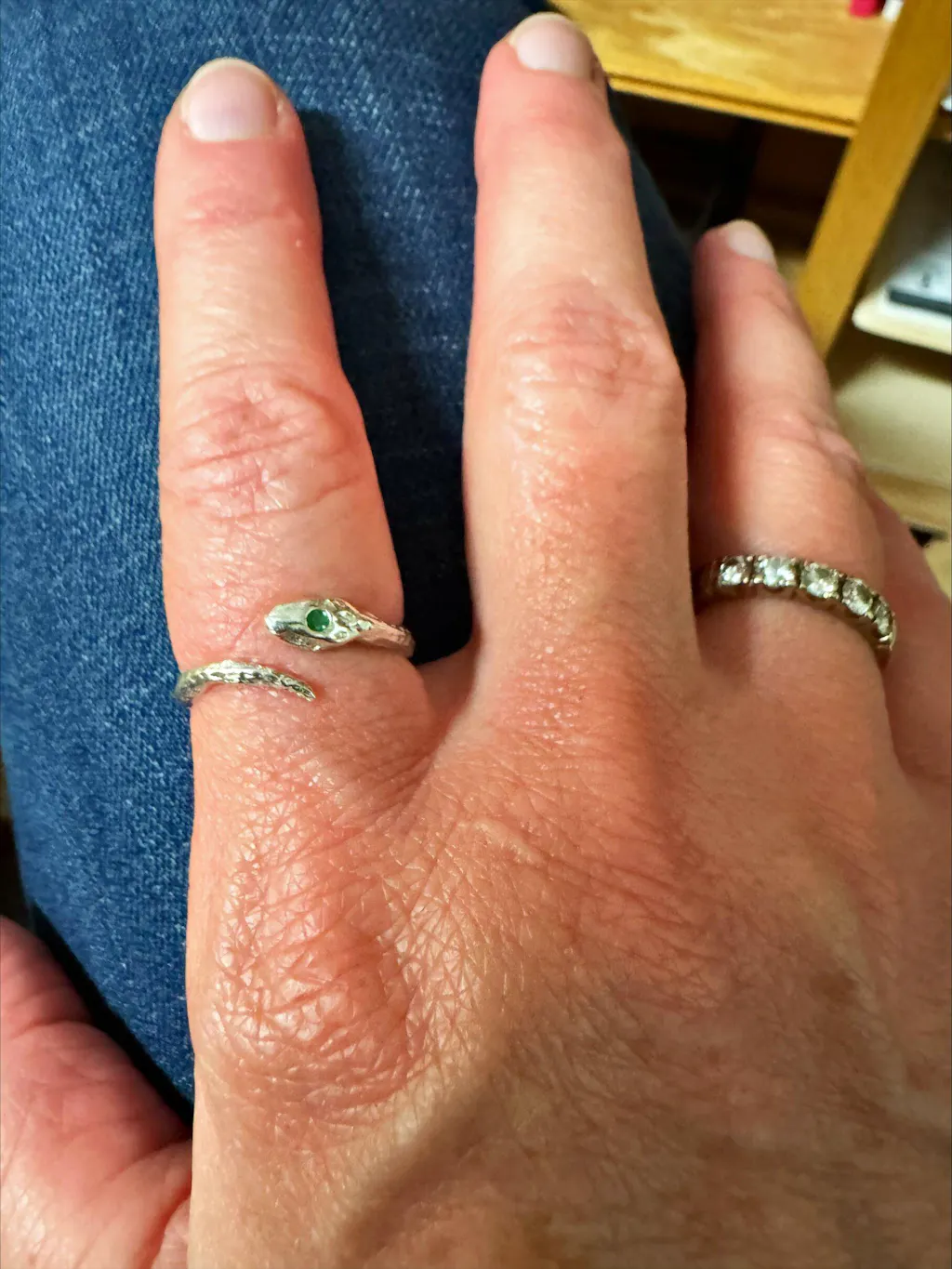
This is why I return to the seasons in my jewellery.
Each piece marks a phase.
Some are for planting.
Some for becoming.
Some for standing in full light.
Lughnasadh pieces feel different.
They feel grounded.
Intentional.
Earned.
Jewellery, for me, is not decoration.
It’s a marker.
Of what you’ve survived.
What you’ve built.
What you’re willing to keep carrying forward.
Lughnasadh isn’t about performing success.
It’s about acknowledging effort.
Honouring it.
And deciding what comes next.
Final Thoughts
If spring was about emergence,
and early summer was about aliveness,
Lughnasadh is about honesty.
What is growing?
What is complete?
What are you ready to harvest?
This point in the year doesn’t rush you.
It simply asks you to look.
And when you move in rhythm with nature,
you don’t need to force outcomes.
You recognise them.
And choose your next season from there.

0 comments